Clément Sommier: “In Switzerland, people love Bordeaux unconditionally”
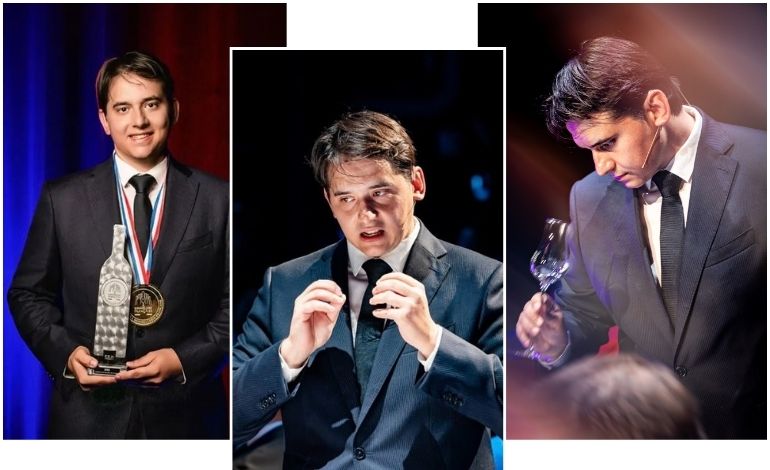

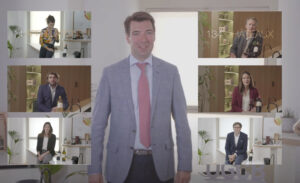
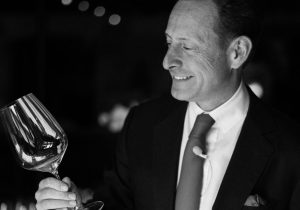
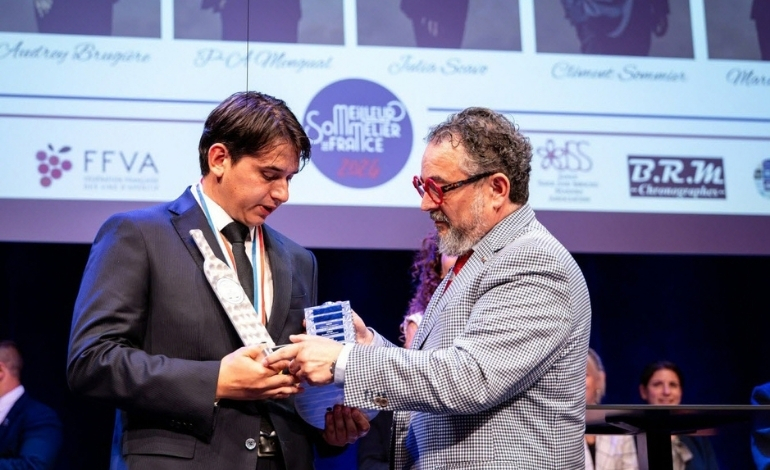
Voted Best Sommelier of France a few months ago at just 29 years old, Clément Sommier knows Switzerland very well, after living and working there for the past five years. In the run-up to the UGCB’s tastings in Zurich and London on 2 and 3 November 2026, we interviewed this rising star in Switzerland.
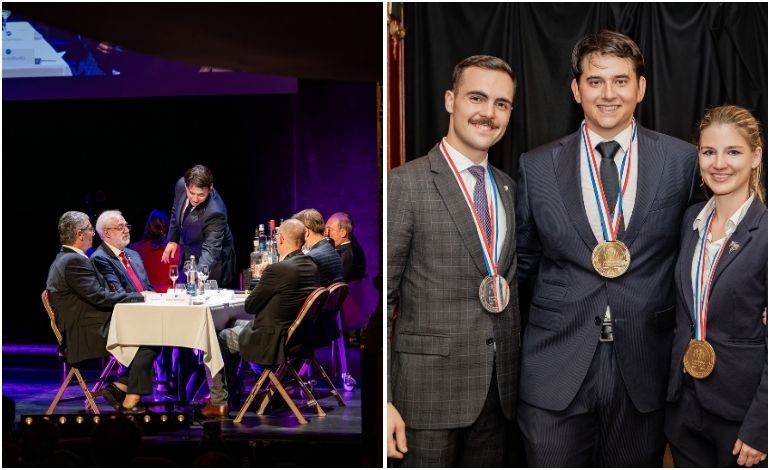
You were voted Best Sommelier in France in 2026. How do you prepare for such a competition?
You first need to understand that this profession is not limited to wine. It includes everything that can appear on drinks menus in restaurants, like spirits, tea, coffee, water, etc. You need to do a lot of tasting, be willing to learn, and remain open to all drinks cultures. The competition specifically aims to cover the profession in all its diversity, from theory to serving rituals and the customer experience. That’s what makes the sommellerie industry so fascinating: it’s a world of endless possibilities. You need more than a lifetime to taste everything, learn everything and meet everyone who works in this industry.
Your father, Fabrice Sommier, also had a distinguished career as a sommelier. Was it obvious to you that you would follow in his footsteps?
Not at all (laughs)! I started out by chance... From the age of 16, I worked over summer in the restaurants of the Georges Blanc group, where my father was Managing Director at the time. I completed a bachelor’s degree in political science in Lyon, and it was only when I was about 22 that I really began to take an interest in wine. I went on to study at a business school in Dijon, which focused more on the wine trade, before moving to Switzerland. I never attended a sommelier training course. I learned a lot on the job. My father obviously helped me, but above all he was wise enough to let me choose my own path and move forward at my own pace.
You currently live and work in Switzerland. What role do the Grands Crus de Bordeaux play there?
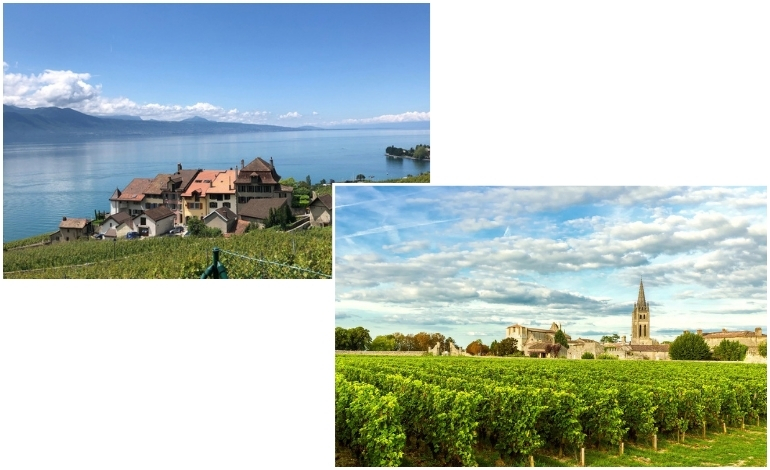
They are very prominent! In Switzerland, people love Bordeaux unconditionally. It’s something I only really realised when I arrived here. At the time, I didn’t know Bordeaux all that well, and I discovered a country which loves these wines – both young and old – and, above all, which has a genuine knowledge of the Bordeaux wine region. Wine enthusiasts are familiar with the differences between terroirs, Estates and classified growths.
French-speaking Switzerland, in particular, is very fond of Bordeaux. In German-speaking Switzerland, competition from Italian and Spanish wines is more pronounced, of course, but Bordeaux wines still have a strong presence there. What is also remarkable is the wide selection of wines cellared by some restaurants and enthusiasts. Many people have bought wines “En Primeurs” and kept them.
This means that today we can enjoy some truly fine wines, which have been aged and stored in optimal conditions. In fact, I am convinced that offering people the chance to taste fine Bordeaux wines that have been left to mature for a few years is one of the best ways to steer customers towards them. There are very few regions in the world whose wines can be enjoyed both young and old.
Among the wide variety of Grands Crus de Bordeaux, what are your favourite terroirs and Estates?
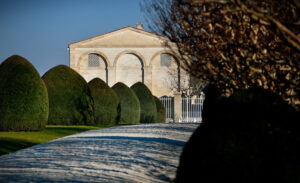
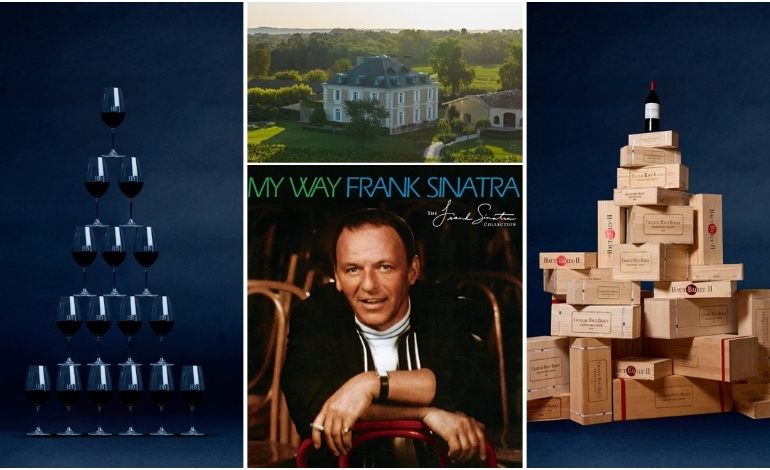
It depends very much on the Vintage, but there are, of course, some estates I am particularly fond of. In Pessac-Léognan, I really love Château Haut-Bailly.
This is one of the Château whose wine I personally buy “En Primeurs”.
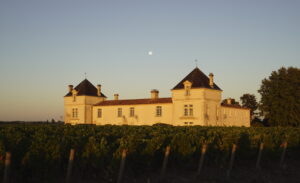
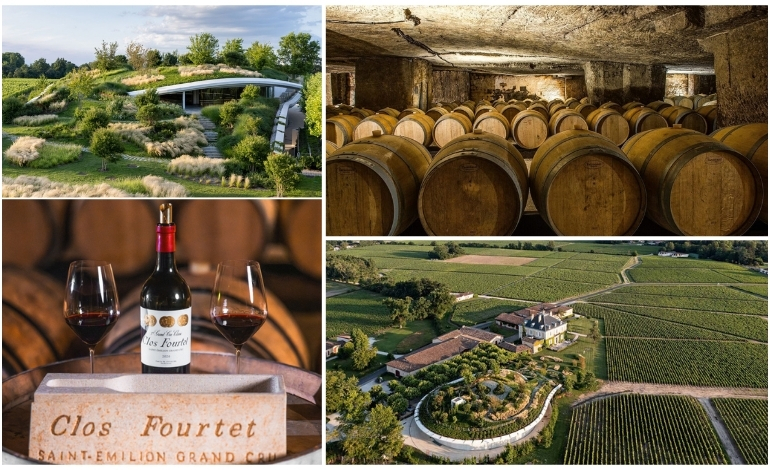
What is striking about this wine is its grace and elegance. It already shows great balance even when tasted very young. There’s something incredibly velvety about the texture. For me, this is a really classy wine. In Saint-Emilion, Clos Fourtet never fails to impress me. There is a real consistency, whatever the vintage’s overall quality. And when you visit the estate’s quarries before tasting the wines, you really understand where their chalky character comes from. I also really like the second wine, La Closerie de Fourtet.
If you had to compare your job as a sommelier to another profession, which one would it be?
A tightrope walker! You need to be able to adapt to each situation. When things shift to the left, you need to know how to counterbalance them on the right.
What if a Grand Cru de Bordeaux were a song?
If Château Haut-Bailly were a song, it’d be My Way by Frank Sinatra (https://www.youtube.com/watch?v=qQzdAsjWGPg). There’s something deceptively nostalgic about this song, which is why I really like it. And it has this notion of elegance, of something composed and balanced… Haut-Bailly also immediately brings this to mind.
If you had to move to a desert island and could take just one Grand Cru with you, which one would you choose?
Clos Fourtet. I’d need something I could enjoy every day without ever being disappointed, and I’d choose it for its consistency. The main thing would be to find out how many bottles I’m allowed to take, because they might go quite quickly (laughs)!
A big thank you to Clément Sommier for this fascinating discussion. Would you like to discover these exceptional Estates for yourself? Come and see Châteaux Haut-Bailly, Clos Fourtet, Phélan Ségur and many other Grands Crus de Bordeaux in Zurich and London on 2 and 3 November (for industry professionals only).
For further information, please contact: contact@ugcb.net
FAQ
Who is Clément Sommier?
Voted Best Sommelier in France 2026 in Lyon at just 29 years old, Clément Sommier is a consultant sommelier at Berthaudin in Geneva. He is the son of Fabrice Sommier, President of the Union de la Sommellerie Française.
What are his favourite Grands Crus de Bordeaux?
In particular, he mentions Château Haut-Bailly (Pessac-Léognan), Clos Fourtet (Saint-Émilion Grand Cru) and Phélan Ségur (Saint-Estèphe).
When do the Union des Grand Crus de Bordeaux tastings take place?
The next stops on the Europe Tour are Zurich and London, on 2 and 3 November 2026. See the full schedule at ugcb
.com