Philippe Troussier, from the touchline to the vineyards
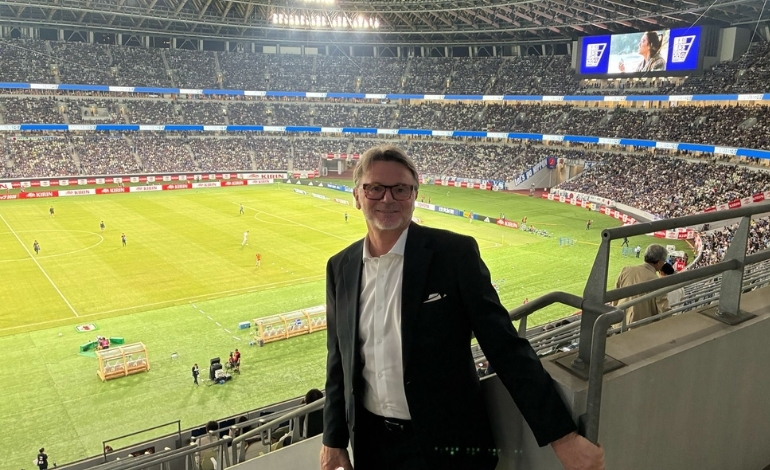

Philippe Troussier is the former football manager of Japan, South Africa and Morocco. He has played in two World Cups and built up an impressive list of achievements. For the past ten years or so, he has also grown three hectares of vines in Saint-Emilion. His Sol Béni, Coup du Chapeau and Grain Bleu wines reflect the same quest he pursues on the pitch, namely bringing together talent, seeking balance and showcasing a specific region. We interviewed this lover of Saint-Emilion and Bordeaux Grands Crus just a few hours before the start of the 2026 World Cup.
What is your relationship with wine?
It resonates with my own personal experience. My father was a butcher and so I grew up close to the land. My cousins were farmers and I used to help make hay and milk the cows. I have always maintained close ties with the countryside. It’s a place where I feel at home. And wine has always been part of the family tradition. But I have come to understand it on a deeper level over the years. For me, opening a bottle is almost a ceremonial act. You need an occasion, a table and people you want to share it with. Wine is a companion for special moments; it brings people together. It interacts with dishes and flavours and creates memories. This is what I particularly like. Wine tells the story of a terroir, a climate and people who are passionate about what they do.
Why did you decide to buy a wine estate in Saint-Emilion?
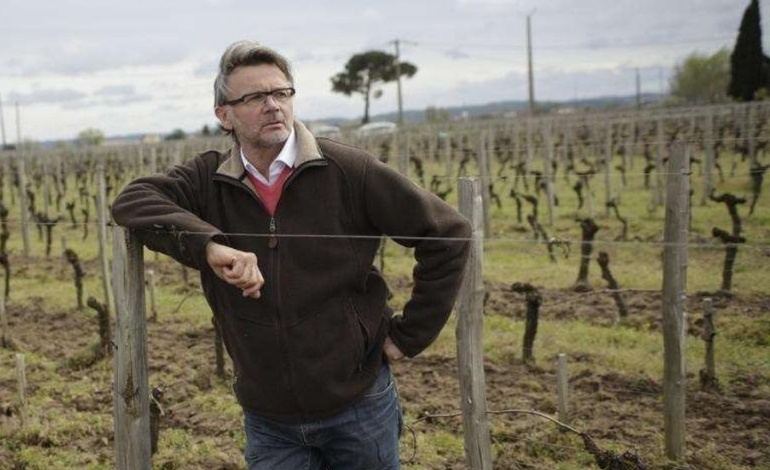
I have never led my life according to a business plan. My life choices are the result of encounters and opportunities. In 2014, while I was coaching in China, I came across an advert for a small estate for sale in Saint-Emilion. The idea of returning to a down-to-earth, almost rustic way of life appealed to me. I then discovered the world of wine and realised that the values I found there – high standards, the pursuit of excellence and embracing uncertainty – were, in the end, not so different from those of football. In wine, like in sport, the outcome is never a foregone conclusion. You have to work with the elements, adapt and make adjustments. The vintage tells the story of a particular year.
What about your wines?
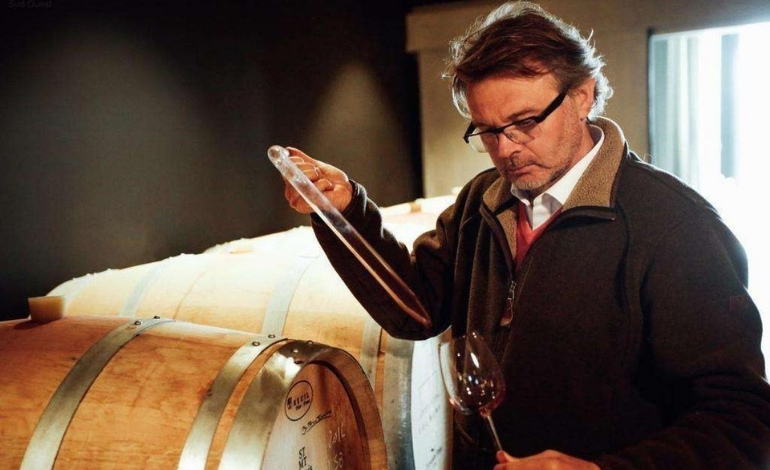
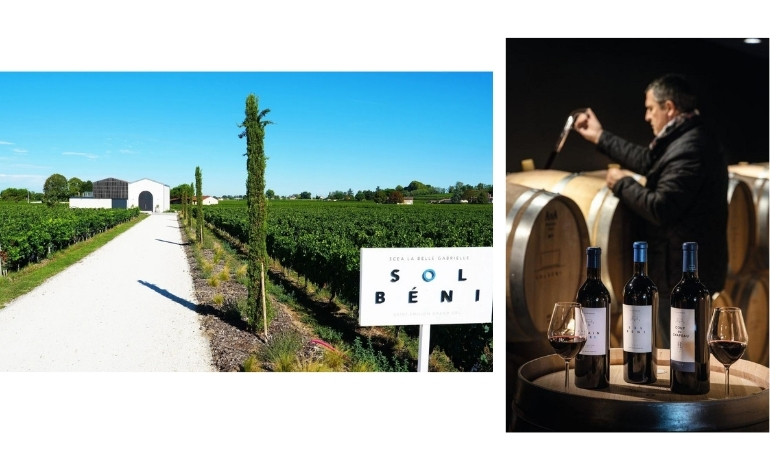
My Estate produces, among others, a wine called Sol Béni. This name is very personal. When I was coaching ASEC Abidjan in Côte d’Ivoire, we set up a training centre called Sol Béni. This is where it all began for me. It is where I built my international career. The name literally means “may this soil be blessed”, may it be bountiful and fertile. When it came to naming my wine, it just came to me. I wanted to create a brand that tells the story of my life. Sol Béni is not only a tribute to this African adventure, but also to the universal idea of a land capable of bringing beautiful things to life. Every aspect of the bottle also reflects my background in football. The blue capsule evokes Japan and the Samurai Blue football team, as well as Olympique de Marseille, another team I used to coach. As for the label, it subtly incorporates the 3-4-3 formation that has been a constant throughout my career.
You’ve taken part in two World Cups as a manager. What memories do you have of them?
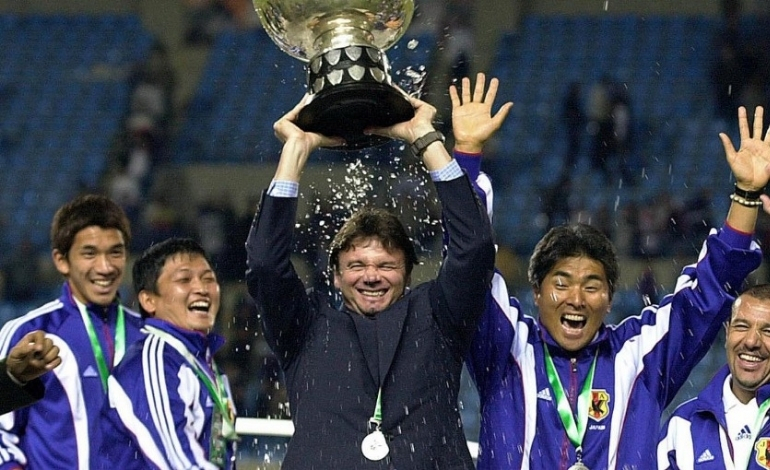
I have been lucky enough to manage seven matches in this competition. Out of those seven matches, I only lost two: when South Africa played against France in 1998 and when Japan competed against Turkey in 2002. Of course, my most vivid memories are still of Japan. In 2002, we secured the first victory at a World Cup in the country’s history. We finished top of our group before reaching the last sixteen. This event remains engraved in everybody’s minds to this day. Since then, Japan has produced more players competing in the major European leagues, but this achievement has never really been surpassed. I am incredibly proud to have been part of a defining moment in Japanese football.
Are there any similarities between the roles of a winegrower and a football manager?
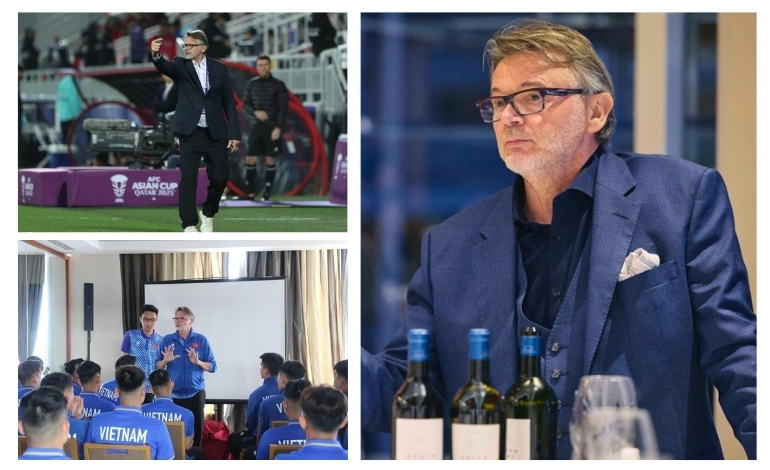
A lot. The role of football manager consists first and foremost in seeking out potential. It’s exactly the same in the vineyards. Each plot has its own character, aspect, soil and behaviour in response to the climate. In my case, some of my plots are mainly planted with Merlot while others are planted with Cabernet Franc. Merlot often adds roundness, richness and fruitiness whereas Cabernet Franc brings more freshness, grip and complexity. Then you have to combine these qualities to achieve the right balance. That’s exactly what a football manager does. A great team is not simply the sum of its individual talents. We need to identify how players complement each other, and find people who can work well together. In both cases, we aim to achieve harmony. It’s about finding the right balance between power and elegance in a wine; between individuality and teamwork in football. Building a team is a bit like creating a wine.
You are the patron of Les Bleus de la Vigne. Could you tell us more about this?
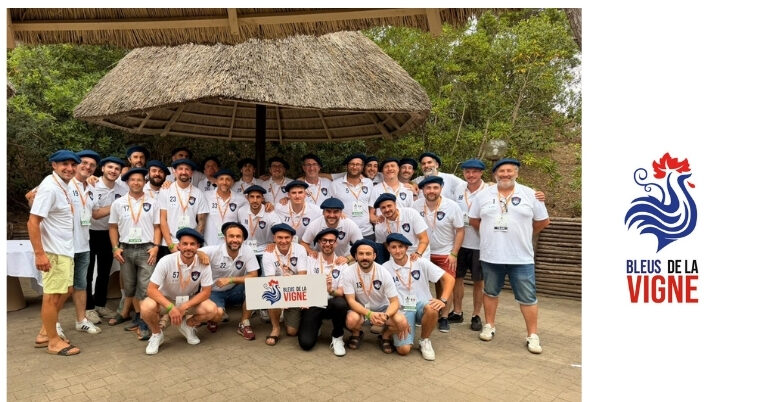
When I was asked to become patron of Les Bleus de la Vigne, I said yes straight away. I love the idea of bringing together professionals from the wine industry around a shared passion for football. This project goes far beyond the playing field. It fosters exchanges and encounters and helps to raise the profile of an entire industry. Indeed, they gave a respectable performance at the Vino Euro, which was held a few days ago in Italy, with around ten nations taking part. I am also working on a project to set up a team made up of Japanese wine professionals. Next, I would like to invite Les Bleus de la Vigne to Japan to organise a match. This would be a great way to bring together two cultures that are dear to me. I would also like to set up a football academy in Saint-Emilion to welcome young Japanese players one day. This would be another way to build bridges.
What are your predictions for the upcoming World Cup?
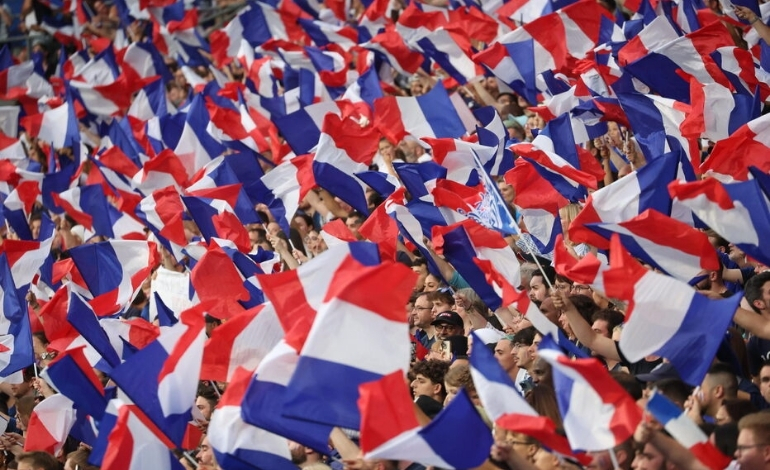
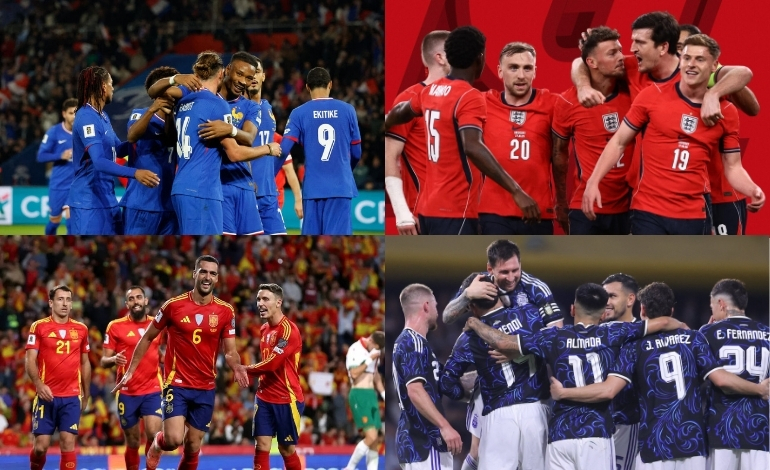
If we look at it objectively, the main favourites are the major European nations, including France, Spain and England, not forgetting Argentina and Brazil. France has a considerable advantage – the depth of its roster. You don’t win a World Cup with just eleven players, but with a team capable of getting through six or seven high-level matches. In a competition featuring several countries, with significant logistical, climatic and organisational challenges, having depth is crucial.
Let’s get back to wine – which Bordeaux Grands Crus are your favourites?
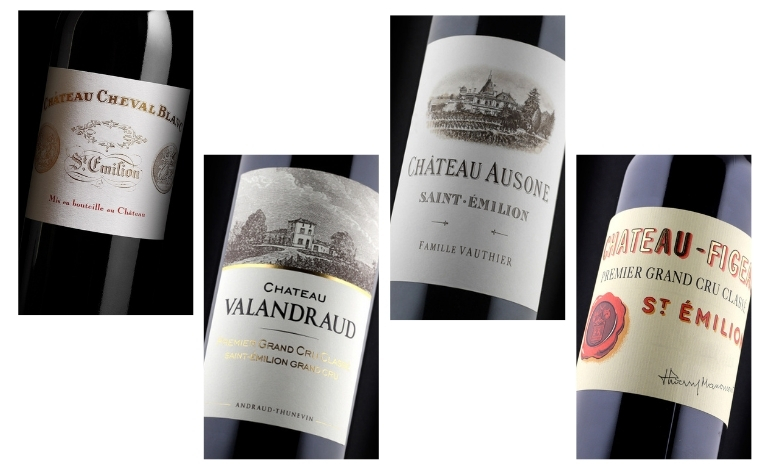
My earliest vivid memories of Bordeaux date back to the run-up to the 2002 World Cup in Japan. At that time, Philippe Bézu, who was head of Adidas Japan, regularly organised dinners and events with the Japanese national team. It was in this context that I really came to appreciate the Bordeaux Grands Crus. I remember Cheval Blanc’s exceptional wines regularly being served during these dinners. In my mind, this Grand Cru remains closely associated with that extraordinary period. It was during these wine tastings in this vibrant country that my first great memories of wine were formed. They also made me realise that wine can be a great way to foster dialogue and cultural exchanges. Besides, I am a huge fan of the wines produced by my neighbours. I really love the wines of Châteaux Valandraud, Ausone and Figeac. These châteaux help contribute to Saint-Emilion’s outstanding reputation around the world.
And if France or Japan were to win the World Cup, which bottle would you open?
I have a 1955 Pétrus in my cellar – the year I was born. But I’d rather hold onto it for a bit longer! If I were to celebrate a grand victory, I’d probably open a bottle of Coup du Chapeau, my most exclusive cuvée. Firstly, because the name evokes French elegance. Secondly, because in football, a “coup du chapeau” is a hat-trick, when a player scores three goals in the same match – an exceptional achievement. And if France wins a third World Cup, I can’t think of a better wine to drink than a Coup du Chapeau! (laughs)